Summer 2026
Making Mining Compete
As a global supplier of hardware and software technology to the mining industry with over 150 years of experience, Weir occupies a remarkable vantage point to observe and respond to the trends and developments that are shaping the extractives sector.
We have operations within about 200 kilometres of every major mine on the planet and are present in every metal and mineral value-chain – from exploration through to tailings. We are also at the heart of critical mineral development.
As a result, I can begin this piece with good news for the mining industry: strong and increasing global demand exists for metals and critical minerals. This is largely because of a few trends that seem unlikely to go away anytime soon:
- Demography – put simply, the world is growing with an ever more urban population;
- Rising electrification and decarbonisation rates are accompanying this demographic shift;
- The AI revolution and the associated growth in demand for data centres;
- Rapidly increasing defence and military spending around the world.
Despite this surging demand for metals and minerals, though, it’s a tough industry to be in right now, particularly for miners in the Western hemisphere. The supply side constraints are complex and difficult to overcome. They are often underestimated by policymakers and the public, and they are holding the industry back.
From Weir’s perspective, on brownfield sites, we see that miners are pushing hard to expand and accelerate production, and to extend the life cycles of mines. There is no excess capacity.
Brownfield operations face a host of external challenges, be it environmental, political or social, that we often see ‘two steps forward – and one backward’ scenarios interrupting progress. These include geological or seismic disruption, like that which affected the gold and copper mine at Grasberg in Central Papua, Indonesia; political pressures, such as those experienced at Minera Panama, the subsidiary of First Quantum Minerals, in Panama; and communities blockading copper export routes, as has happened in recent years in Peru.
In addition, of course, are various other, well-documented supply chain challenges for the sector. All are inhibiting growth.
It is not only brownfield work that is proving tough. Demand forecasts tell us that significant new greenfield expansion is required, particularly for copper. While renewed political impetus in the West is encouraging, the lead times for approval and permitting new mines remain highly challenging.
It often takes double the time to develop a mine as it did in the past. Sometimes this can take as long as 20 years. So, if we are to meet expectations for increasing demand, expansion needs to happen rapidly and at scale – something that the capital cities and financial markets consistently point out.
It’s important to understand that the mining industry cannot simply ‘turn on the tap’ in response to consumer or government demand. Developing mines, export routes, and processing facilities takes time and money. So, there is no simple switch that the industry can hit to speed things up.
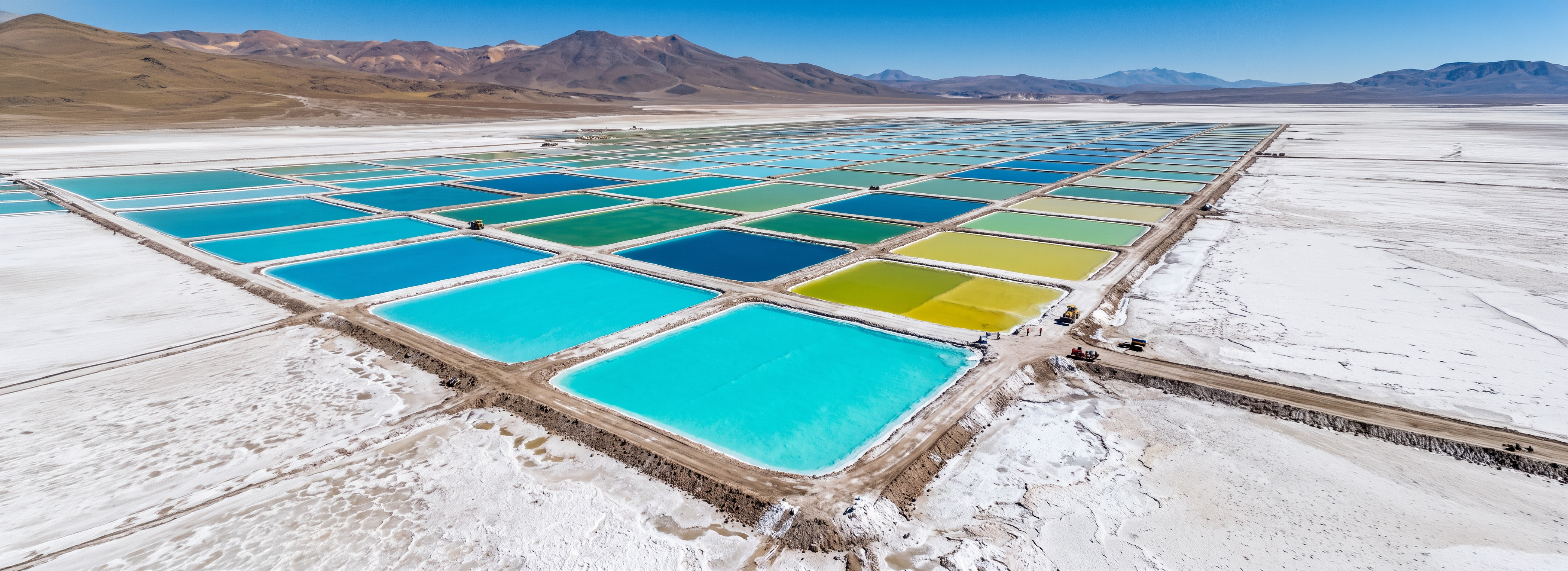
As the timeframes for developing new mines have slowed, over the past 20 years China has created a wider, and more dominant, position in critical minerals and other key metals.
As is well known, China has the lead in rare earth and battery metal mining and refining. What is less well-known outside the mining industry is that the Chinese have simultaneously built high-tech and low-cost refining and smelting capacity for copper on a vast scale. This now accounts for over 80% of global capacity. Alongside these efforts, the Chinese have also developed significant nickel production capacity in Indonesia and that has had an enormous impact on many other nickel mining markets.
While the Chinese were building strength across the breadth of the mining industry, the development of mining in other parts of the world has not always kept pace.
The impact of this is being felt, particularly now. For example, the Iran conflict has led to a rapid depletion of US tungsten supplies because of the key role it plays in defence matériel such as armour-piercing projectiles, missile guidance systems and warheads.
Replacing tungsten is difficult. It has not been produced domestically in the US since 2015 and current estimations are that 80% of the tungsten market is controlled by China. With Washington, private industry, and others all trying to obtain as much tungsten as possible, securing supply will not be easy.
As we look to a future that seems likely to be dominated by similarly heightened global tensions, trade wars and regional conflicts, the tungsten case shows how greatly global dynamics have shifted and why industry and governments alike cannot afford to be asleep at the wheel.
Every Western country either has or is developing a critical minerals policy, and that’s a real positive. But they are only at an early stage of turning intent into concrete action that will gradually reduce dependence on China. More effort is needed, change will not happen overnight, and it will require trade-offs.
That said, I feel optimistic because there are steps that can be taken now to compete in this new environment. Fundamentally, I believe the mining industry needs to scale up and clean up.
Scaling up means more of everything: more production from existing mines; new greenfield mines (and quickly); more re-cycling; and the substitution of rare earth minerals with abundant, non-critical minerals in certain applications. For miners it may also mean exploring new frontiers, perhaps including deep-sea poly-metallic nodules and possibly even asteroid mining.
These solutions will need to be end-to-end. Miners must consider the full metal value chain, from exploration all the way through to finished products. For the West, it will need to re-create smelting and refining capacities. We might also begin to think about mines differently, for example, taking an endowment approach to the life of a mine.
This would mean assessing and valuing an asset based on its full geological potential, rather than just its proven reserves. We must consider carefully how to best manage the needs of all stakeholders in any given project. The truth is that all players in the industry – be it miners, or technology suppliers like Weir – will need to learn how to work better with local communities.
As we have seen in recent years, the market will struggle to find solutions itself so this cannot only be a private sector-led effort. Governments will need to act to find long-term solutions that translate policy and talk into action.
Governments, and other convening authorities, can help remove regulatory barriers and break down existing siloed thinking that seeks to distinguish public from private interests. To succeed, we will need ‘all country’ efforts that draw on the strengths of our political and business systems in their entireties.
Nowhere is this clearer than in human resources. The industry is currently losing a generation of skilled miners to retirement and is struggling to replace them. This is another area where China has invested — its universities produce more mining engineers each year than the UK, Australia, USA and Canada combined. But it’s a global issue — we urgently need to equip and train the next generation of miners who will enable us to compete in this much-changed world.
Strategic thinking about supply chains is also required, as are innovation and the adoption of new technologies. New software and AI will be critical to increase production, reduce costs and to lower mining’s environmental footprint.
A vital element will be helping society understand the critical role mining plays, not least in meeting Net Zero goals, to ensure that it continues to grant mining the social licence to operate. Environmental concerns must be alleviated with real care.
Above all, we must free up and incentivise capital to pay for developments that are so desperately needed. The key will be solving the capital efficiency mismatch in the Western value chain.
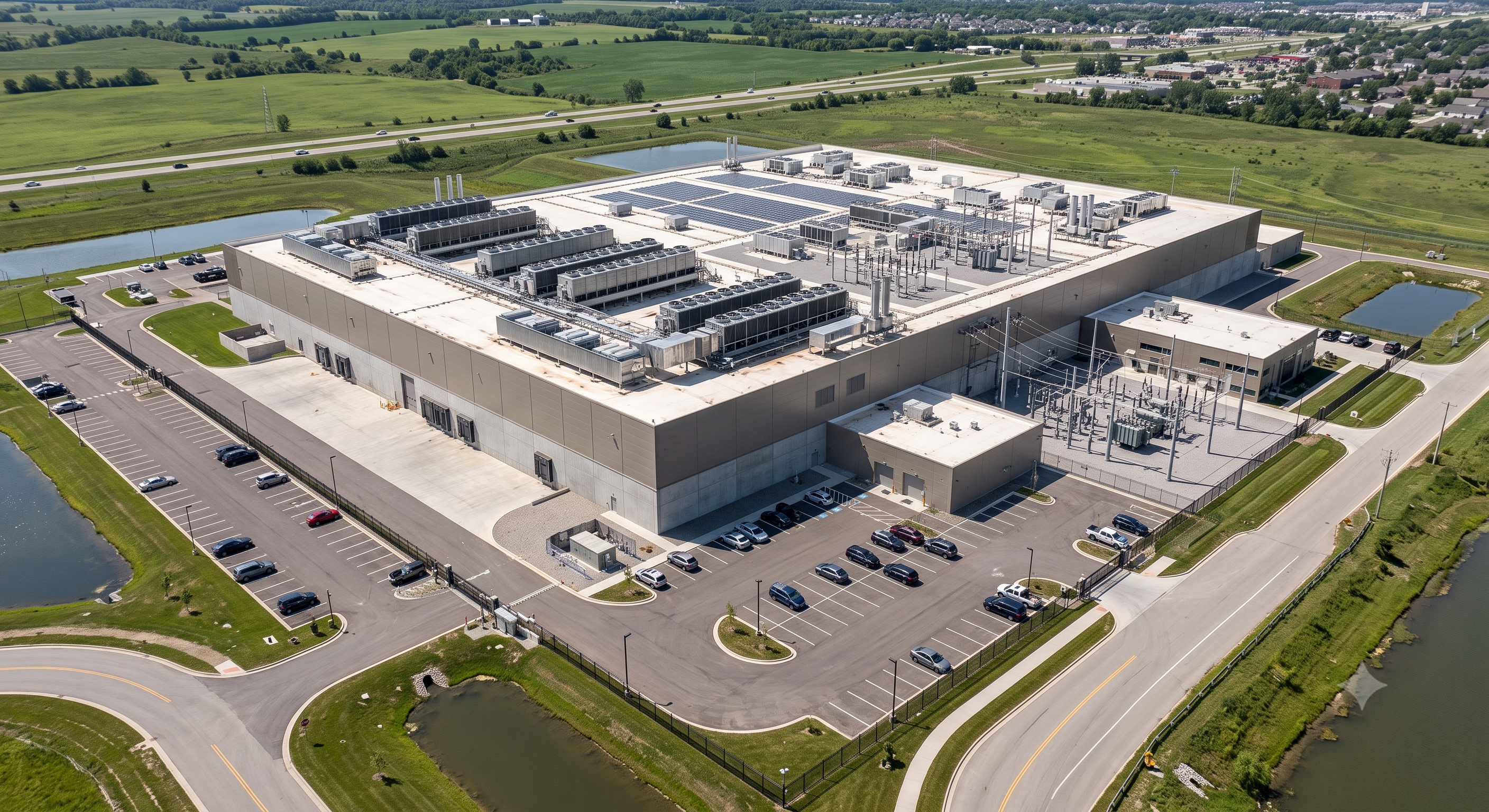
We must first address the question of capital efficiency: a lack of predictability in returns to investors is a challenge that the industry needs to take seriously and tackle. We should also think very carefully about how we can best make the case to investors to bet on long-term, high-risk mining projects when the short-term returns and low risk profile, for example, of data centres seem so much more attractive.
We need to be able to explain that these data centres only exist because of the products the miners have unearthed, transported, refined and brought to market. The case is compelling: without mining, the AI revolution and, more importantly, continued progress towards decarbonisation, will stall.
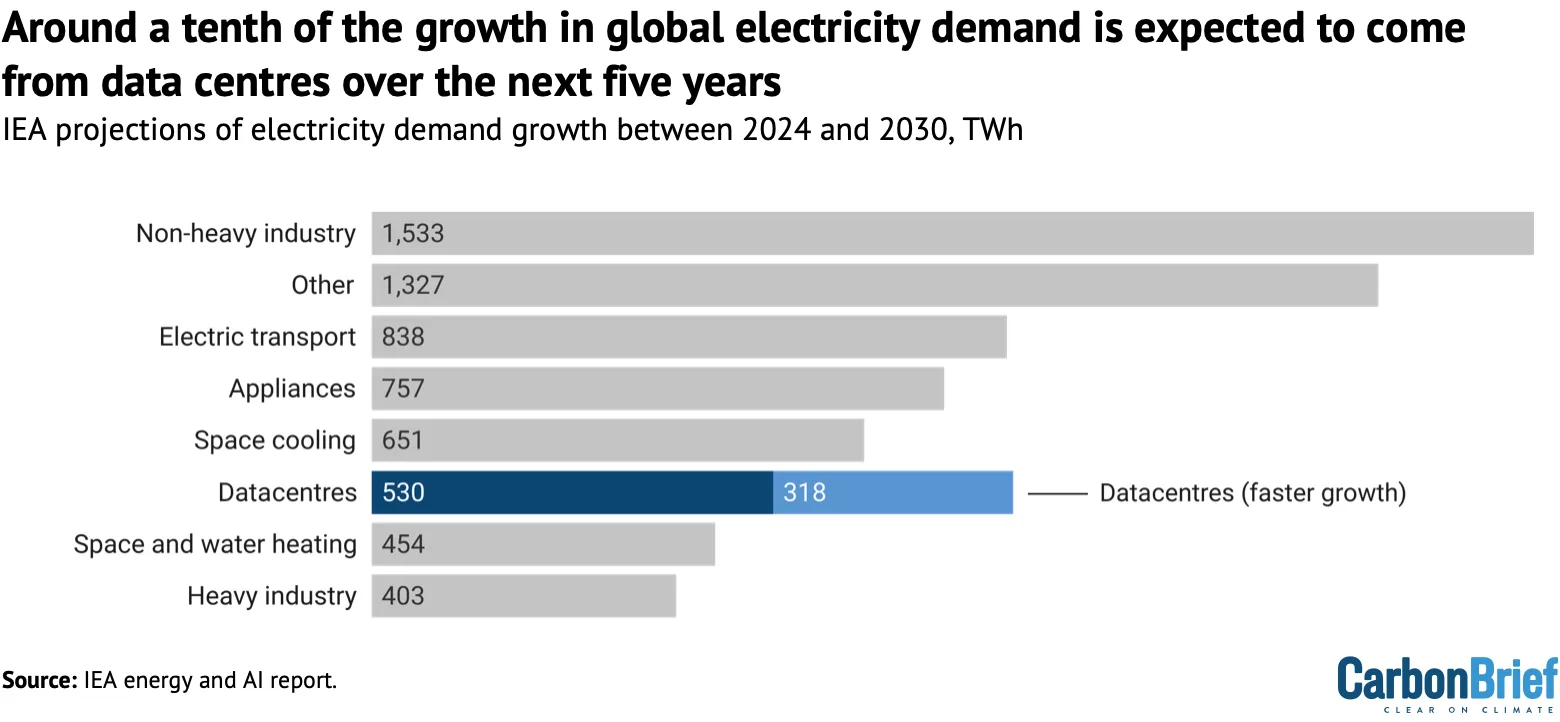
Source: IEA, Energy and AI report.
But explanations will not be enough. We need to think about how to incentivise and reward the risk-taking involved in backing mining ventures more effectively.
Squaring this circle is a crucial first step as we seek to enable the mining industry to scale up and clean up, now and for the future.
Jon Stanton was CEO of the Weir Group for almost ten years, after being CFO at Weir and a Partner at EY for over twenty years.